Rookwood Pottery’s Mississippi Connection

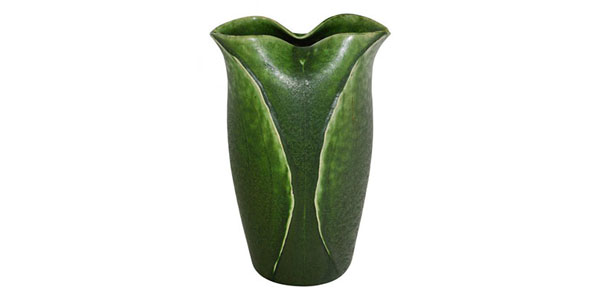
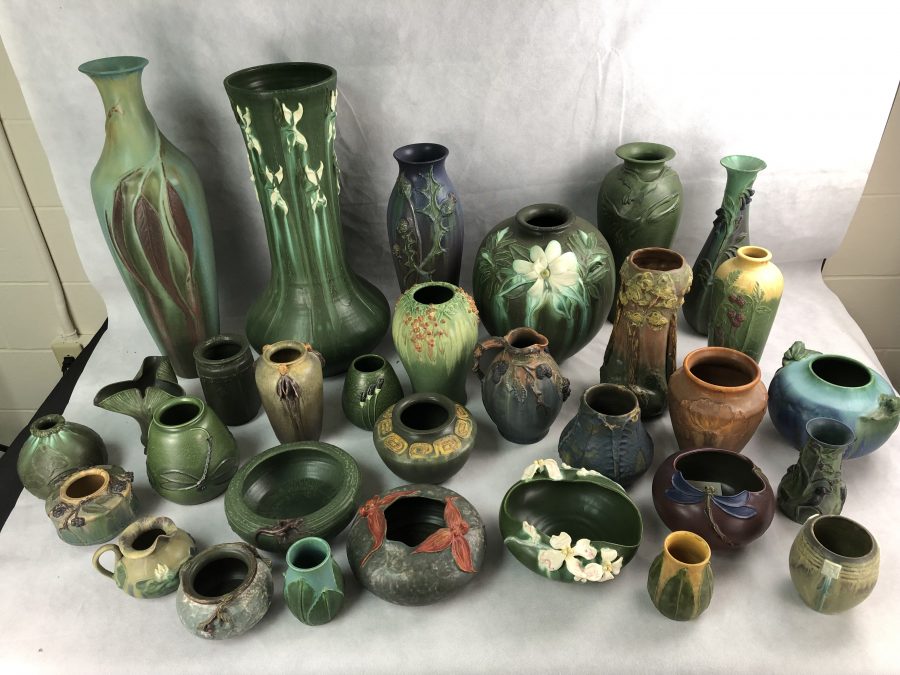
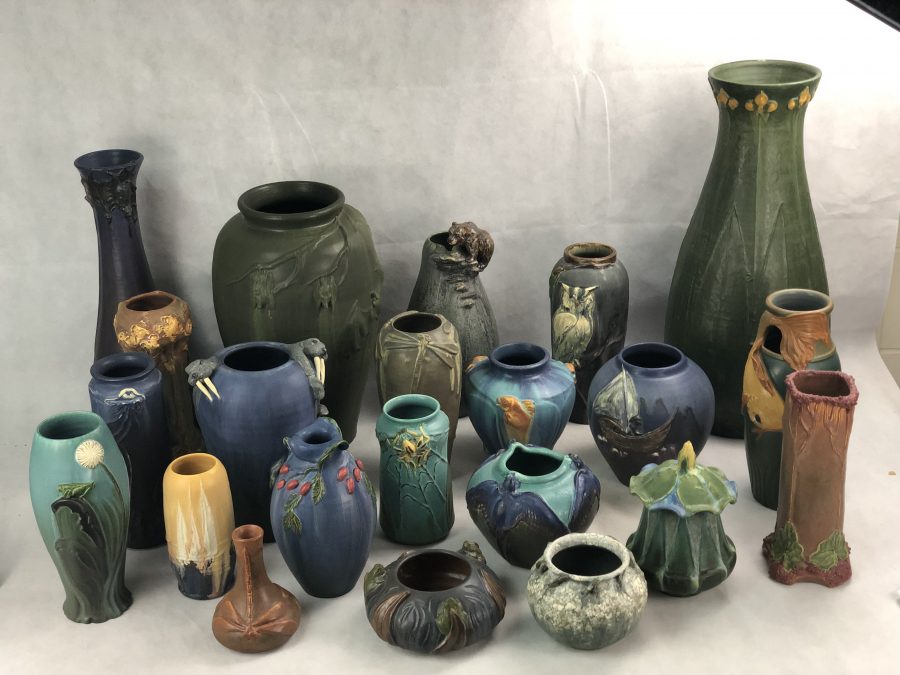
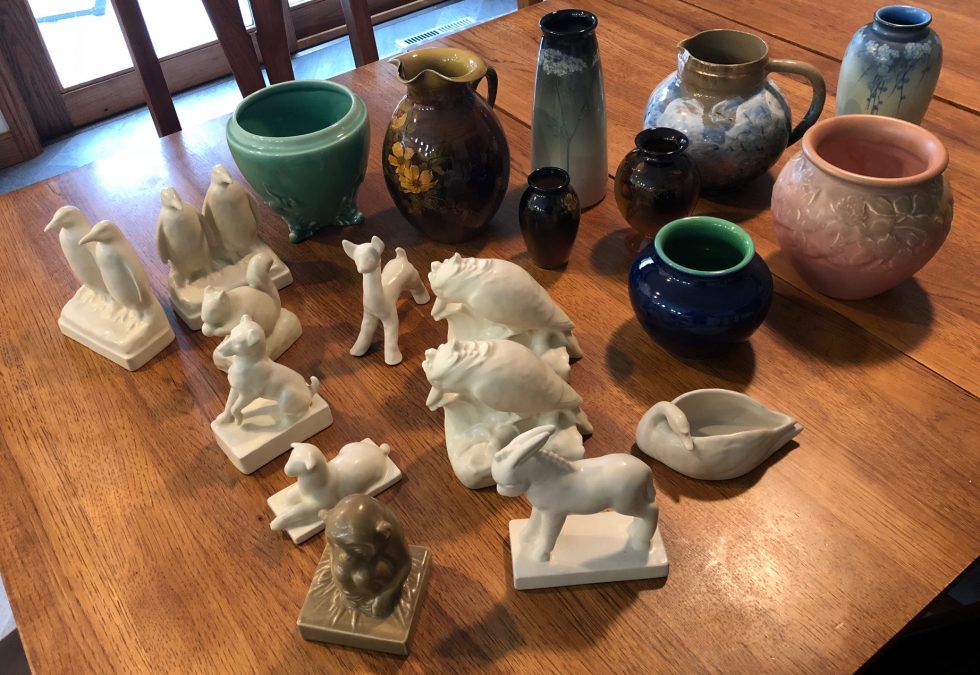
Rookwood Pottery is truly one of those American classics – not only in terms of art pottery, but in its totality as a business model. It survived the Great Depression when companies around the nation were folding. It’s undergone many changes in ownership, barely missed being sold to international buyers and through it all, the talent that is Rookwood Pottery continued to turn out some of those most beautiful collections the art pottery community has ever known.  What many people don’t know is that Rookwood Pottery temporarily relocated to Starkville, Mississippi in 1959. The ownership had just changed hands once again and even though the company had survived those difficult years in the 1930s, it struggled for many years after the Depression. The move to Mississippi was designed to put the company back at the top of its game. Unfortunately, it was unable to do so and as a result, folded (albeit temporarily) in 1967. At the time, no one knew for sure whether this American pottery company would be able to make a successful comeback.

Rookwood Pottery now calls Cincinnati home. It was purchased in the early 1980s by an in Ohio physician. Upon learning that Rookwood might be relocating to another country, Dr. Arthur Townley made his decision. He moved fast and indeed, invested all of his savings, in a bid to keep the company here in the U.S. This was in 1982. More recently, Rookwood Pottery was moved yet again to the Cincinnati area – on Race Street to be specific -and in 2006, Dr. Townley agreed to sell his assets, which included trademarks and even glaze recipes. This was surely a difficult decision for the dentist, but for the same reasons he purchased the company all those years ago, he believed it was the right thing to do.

Regardless of what ultimately happens with this company, there is no denying the indelible mark it left on the art pottery world as a whole and our society. Rookwood Pottery continues to increase in both its value and the number of those who are just beginning to see what many have known for decades.

StumbleUponShare

Incorporate your Roseville Pottery into Holiday Celebrations

Too many times, we find ourselves scrambling to locate the ideal centerpiece for our family gatherings, especially those special Christmas dinners that we want to ensure are absolutely perfect. As we run from florist to florist or department store to department store, we often overlook the beauty that’s already in our homes, courtesy of our American art pottery collections.

If you’re a Roseville Pottery fan, you already know how versatile your collection is and while there’s not definitive Roseville collection designed especially for Christmas, there are choices within the various collections that can really set the tone for your holidays.  The best part is that you don’t necessarily need a traditional red and green Christmas theme (although there are a few choices that match those color themes). A beautiful Roseville vase with hues of winter white or evergreen works well with silk Chrysanthemums or other holiday floral choices.

As mentioned, there are a few Roseville Pottery pieces that do have a more traditional Christmas theme. The Roseville Creamware collection offers holly-inspired designs. There’s a unique side-pour pitcher with vivid reds and greens against an off-white base. This would make a remarkable centerpiece with the right floral arrangement. Allow the colors to play off each other and you’re sure to have a finished look that’s nothing short of inspirational. Also in this line is a fern dish. This is another beautiful choice, partly because of its footed design. It adds a bit of height, too, which is what most of us like in our centerpieces. If you don’t already own any of these pieces, keep your eyes open – you never know when you’ll come across this particular Roseville design and once you do, it’s sure to be a new addition to your collection.

Another unlikely, though elegant choice for Christmas is found in the Roseville Corinthian line. Granted, it’s probably not the first thing you think of, but the deep green hues in the grooves of the pieces has a certain holiday feel. There are small berries, similar to holly, that coordinate nicely, too. It’s Italian inspired, so you know it’s all about the detailing and this Roseville line doesn’t disappoint.

If you’re not in possession of any of these pieces, remember Roseville Pottery has several lines that incorporate rich reds and brilliant greens. Even those Roseville pieces that don’t have a lot of height can be transformed into the perfect showcase for a bouquet of fresh mistletoe and of course, the other traditional Christmas flowers.

Remember, it’s all about the creativity. The subtle – and even not-so-subtle – Roseville designs makes it easy to allow that creativity to take over.

StumbleUponShare

The Unusual Faces in American Art Pottery

Most of us think beautiful florals, dramatic etching efforts and stunning glazes when discussing American art pottery. But this art form isn’t without its unusual pieces.

The Faces in Art Pottery

Art pottery is defined by numerous companies and artists, each of whom brought their own unique take on this line of art. Many artists mastered the beauty of detailed florals, others were experts in glaze lines and shapes. There were those rebels, however, that brought to the table anything but a “flowery” finished look. Many think of George Ohr whenever “rebel” and “art pottery” are used in the same sentence. But there were other streaks of eclectic lines that dot the landscape. Think faces and busts. They’re all quite dramatic and always the conversation piece of any collection.

Weller Dickens Ware, 2nd Line

It’s difficult to find the right adjectives to describe many of the pieces in this line of Weller Pottery. Unusual, exciting and some might say a bit disturbing; not that “disturbing” is used in an insulting manner, it’s just that the tobacco jars that take the shape of very detailed men’s faces can be a bit offsetting.

“The Skull”, as one of the Weller Pottery tobacco jars is called, has no eyes, though appears to be smiling. It can be a bit of a jolt. It’s believed there are three in existence and their value goes up considerably if you come across one with a finial that is a miniature skull. Another interesting face or bust is found in “The Turk”. The detail is very life-like with a permanent snarl on the fellow’s face, deep-set eyes and flared nose. The dark gloss adds to the dramatic presentation.

Also in this line you’ll find “The Irishman”. Most likely, there exists an “R.D.” as the signature. This guy has an upturned nose, heavy eyelids, lines around his mouth and thick eyebrows. Let’s just say he’d make a fine addition to your Halloween décor – as long as you keep him in a safe place as his value is considerable.

This is just one line of many that include very detailed faces. It speaks volumes of the talent these artists possessed and talent that they were willing to pour into their creations, unlike many of the manufactured pieces we see in a more contemporary society. To know the history of these Weller pottery pieces is to love them.

If you haven’t visited our Facebook page, be sure to like us and while you’re at, check out our Just Art Pottery Roseville page, too.

StumbleUponShare

Van Briggle: Hues of Green and Blue

Each art pottery line includes a “favorite” of any collector. There’s no shortage of Van Briggle fans who appreciate the magical hues, especially the blues and greens, found in many of this pottery company’s lines.

Van Briggle Color Plates

Those who have mastered the glaze colors, especially in the Van Briggle collections, certainly know the distinctions behind every single one of those glazes. These glaze colors not only identify the various pieces, but also gives some clue as to any piece’s value. This is especially important in those pieces where the markings no longer exist and therefore can’t tell the history of a piece.
Many Van Briggle Pottery pieces are labeled in groups: “Plate 174” or “Plate 183”. Within these groups are the pieces. The blues and greens are striking- and that’s an understatement!

Plate 187 and Plate 184

I’ve paired these two because of the very distinct differences. Within Plate 184, you’ll discover very light hues of blue or green (some say blue, others insist they’re very light variations of green). The pieces were made in the early 1900s, around 1905-1906. They’re most often marked with “VB” for Van Briggle, along with “stp” for “stamped”.
The Plate 187 collection has much darker shades of blue. When you put any of the pieces of the two collections together, it’s almost magical. It truly is a remarkable contrast. These pieces will have similar markings, including the “VB” and “stp”. The one difference might be these pieces will have “CS” for Colorado Springs.

Plate 203

This collection of vases have a nice combination of various shads of blues and greens. The vases will often have several shades that begin in a really light blue around the neck of the vase and get darker closer to the base or vice versa. They will often incorporate the “VB”, the number associated with the vase and the “stp”.

Plate 207

I wanted to include this collection because of a specific bowl. If you’ll notice in the photo, the
outside of the bowl is a nice almost “sea foam” green while the bowl itself is a pretty sky blue. They contrast beautifully and the absence of any etchings or other decorative elements lends to its character. It’s the simplicity that defines it.
These are just a few of the many Van Briggle pottery pieces you’ll discover in the hlue and green glaze lines. If you’re a Van Briggle collector, you surely know how remarkable the presentations are. If you’re new to Van Briggle, you’re in for a treat as you discover those hues. A good place to start your research efforts is by exploring the very detailed information in the Collector’s Encyclopedia of Van Briggle Art Pottery: An Identification and Value Guide. It’s chock full of information on everything you need to know about this revered line of American art pottery.

StumbleUponShare

Arequipa Pottery

Frederick Rhead initially began his experience with American art pottery upon his arrival in California in 1911. As with most artists, his inspiration came from his surroundings and it’s been said those earlier Arequipa Pottery pieces with their lovely outdoor elements such as various fruits and trees were inspired by what he saw growing along the west coast. Indeed, the Multicolor Squeezebag vase, circa 1912, offers a matte background that’s so deeply purple that it almost looks black. While the matte appearance certainly added the refined look of this vase, it’s the berries and oversized leaves along the vase opening that adds contrast and texture.

Another vase, shaped as a gourd vessel, includes a glossier finish, though this time, it looks as though sunflowers were the inspiration. The “squeezebag” decoration, which is symbolic of the Arequipa look, works well with the deep green, gold and navy blue color choices. It measures around 7 inches in height, making it one of the larger pieces you’ll find in the pottery line.

One of the more interesting bits of trivia about Frederick Rhead includes his wife, Agnes. The couple had gone to work at the Arequipa Sanatorium for Dr. Philip K. Brown, who was looking for someone to teach the patients various artistic techniques in an effort to raise their spirits.  The plan worked as many of these young women were drawn to the possibilities this artistic avenue provided. Rhead and his wife were there for just one year, but their influence lived on with these patients.

This award wining line was the darling of the 1915 Pan-Pacific Exposition. It took both the gold and bronze medals, which for many companies would mean great exposure and increased interest – but for Arequipa, it meant the end of the new Arequipa Pottery pieces as it closed its doors that same year. What we’re left with is a valuable line of American art pottery that is considered quite valuable by any standards.


StumbleUponShare

Maintaining the Quality & Appearance of Your Art Pottery

Baneda Vase At Auction

If you’ve ever happened across a beautiful and rare piece of art pottery and seen damage due to neglect or carelessness, you likely felt a sense of frustration and loss. Unlike some other art forms, each and every piece of American art pottery has its own unique place in history and is symbolic of its respective era – and it simply cannot be replaced.

It’s for this reason that collectors are extremely cautious and it’s also why any collector worth his salt will encourage others to incorporate as many safety precautions as possible – especially when they’re handling or cleaning their collection. Here are a few other tips that will help you protect your investment while keeping it dust free and clean.

First things first – if you’re considering cleaning damaged pieces, you should first allow a dealer to examine it to ensure your efforts won’t result in further damage. In fact, it’s always a good idea to get a second opinion from someone in the industry before cleaning any pottery. There are few things worse than knowing your careful packing and other protective measures over the years are now irrelevant because you chose the wrong cleaning method.

There exists credible literature that says the brand Spic and Span is the best choice for cleaning most art pottery. That said, there are those who strongly discourage immersing any of your pieces in water. These divided mindsets are nothing new, but they’ll definitely take on new significance if you find yourself wrestling with the options. Often, a soft cloth that’s slightly dampened will remove the dust and other particles that’s accumulated on your collection. This is generally a safe option. A small amount of dish soap should also achieve the results you’re looking for if you wish to add it. Be sure to dry it with a soft towel. Naturally, you don’t want to add any harsh chemicals such as bleach into your pottery bath as it could damage the glaze.

Finally, before you get down to the business of cleaning your collection, it’s always a good idea to have everything you need within reach. Towels, damp cloths and a small bowl of water should be all you need. Some collectors will use heavy padding on their counters or work benches as an added security measure.

Regardless of how you choose to keep your pieces looking great, don’t underestimate the importance of treading lightly. And again, you can’t go wrong by seeking out the advice of experienced collectors and dealers before you risk losing value.

StumbleUponShare

Rookwood Pottery: Standard Glaze

If you’re looking for a great way to break into the Rookwood Pottery sector, you might want to consider the Standard Glaze ware line.

It’s not hard to find a Rookwood Pottery line that’s elegant, with depth and extremely detailed. The Standard Glaze (also known as the Brown Glaze) line is a perfect example of what embodies the collective Rookwood Pottery brand. It’s recognized most often by the “Standard Brown” glaze that gives off rich, deep orange hues and various shades of brown that meld together flawlessly. You might also notice deep green hues, too. The colors are indicated in the shading efforts that go from darker to lighter, usually from the top down. It’s often described with adjectives such as “hard”, “clear” and “fine” and all are perfectly true.

The line itself is predominantly decorated with floral and/or leaf patterns, including dogwood blossoms. Also, there are a precious few that had portraits of important people of the times, animals, Native Americans and believe it or not, ghosts were sometimes used, which surely added quite the dramatic tone, especially considering the time period.

Speaking of dramatic tones, there were very interesting shape elements, too. The Two-Handled Chalice Vase, included in the 1895 line, is aptly named. The matching dual handles, circular and narrow, only added to the beauty of the design as a whole. They’re almost always marked with the artist’s name, the year it was produced, the type of clay and glaze used as well as the size marking.

You’ll find candlesticks, smaller cabinet vases, floor vases, tea sets and even umbrella stands in the Standard Glaze. Considered quite affordable, it’s a great investment for those who collect Rookwood Pottery.

StumbleUponShare

American Art Pottery Shows

One of the most important things art pottery lovers do to stay current on various goings-on is to attend American art pottery shows.

Each year, there are hundreds of conventions, seminars and shows for all things art pottery. Some are established events that draw people from all over the world while others tend to stay small and target regional fans and collectors. A quick search and a bit of research is all it takes to find the many upcoming shows, which is exactly what we did. Here are three annual shows that grow each year – in vendors and visitors. All are worth attending and are ideal venues for networking with others who share the same appreciation as you.

Zanesville Pottery Lovers Festival 2012

Every year in July, thousands show up to participate in the Zanesville Pottery Lovers Festival. It’s an exciting four day event in Zanesville, Ohio that allows endless networking opportunities, art pottery auctions and sellers who are eager to strike deals. The host hotel allows sellers to set up their wares in their rooms, where buyers and other collectors mingle in and out of the many impromptu shops. The experience itself is certainly worth it, and finding that rare Roseville or Weller pottery piece you’ve been searching for is the icing on the cake.

American Art Pottery Association Annual Convention

Another big player in the art pottery arena is the AAPA and it too hosts its own annual show in late April/early May. It takes place in Philadelphia. If you’re an AAPA member, you’ll enjoy a discount on your tickets and like the Zanesville festival, there are auctions and seminars by some of the nation’s leading art pottery experts. Any new book releases in the arena usually means an opportunity for you to get your copy autographed by the author, whoever it might be. Also, a bus tour is available and highly recommended, especially if you’ve never toured the Trenton City Museum within the Ellarslie Mansion.

Bay Area Pottery Show

This annual event occurs in February in San Jose, California. This is a good choice because of the versatility of the pottery. From Van Briggle to Brush McCoy, you’re sure to find your favorite pottery while discovering a new favorite in the process. Take advantage of the many lectures and talks that are part of the offering, too.

These are just a few of the many events and again, a quick search will reveal those in your region of the country. The benefits are many and these shows are always an easy way to strengthen your network while meeting new people in the process.

StumbleUponShare

Roseville Della Robbia: Unlike Anything Else

The Roseville Pottery Della Robbia line was described as “unlike anything else” in the 1906 Roseville catalog. The textures and sgrafitto decorative inclusions define this beautiful line.

The Roseville Della Robbia really stood out the moment it was introduced around the turn of the century. The textures, courtesy of hand incised designs placed on the shapes, which had been slip cast at least two times, set it apart from all other Roseville offerings. Frederick Hurten Rhead described the process involved with this very detailed group:

I had produced some interesting sgrafitto process decorations…the problem involved casting in two colored slips with an incised and carved design…it demanded extreme care and neatness… and the ware had to be handled very tenderly.

Rhead’s biggest problem was ensuring his beloved Della Robbia line wouldn’t be too expensive to mass produce, especially considering the Roseville Pottery decorators “were highly paid as wages go in the art potteries”. Before long, Rhead figured out a way to outsource the work – and this was long before “outsourcing” became a modern catchphrase. Instead of the high wages to the decorators, he instead brought in high school girls who showed promise in their art classes. After extensive training, Rhead was confident these young girls had mastered the process. “I had a working force of ten girls…at the end of two months could execute any of the illustrated pieces”.

Of course, what we’re left with is the beautiful hand decorated Roseville Della Robbia, complete with its textures and dimensions – all because one artist’s determination to bring it to the public. One final note regarding the art pottery line’s history: many of the high school girls who worked on these pieces were hired immediately following their high school graduation.

StumbleUponShare

The Unusual Weller Muskota Art Pottery

The Weller Muskota line of art pottery offers an unexpected presence, partly due to its large and varied offerings and partly because of its many themes.

Production on the Weller Muskota line began in mid-1915 and while there was no definitive theme or direction the artists chose, it still stands out as one of the more interesting Weller pottery lines. There were many glazes, color schemes and subjects that are covered, including animals, children and even the occasional abstract.

There are ribbons of several other Weller lines that appear to have served as inspiration. The Weller Brighton line, which also was introduced in 1915, might have inspired a few of the swans and flower frogs while the Copra, known for its lovely florals, very well could have lent to the line a more feminine touch.

It’s true this line doesn’t have the dramatic iridescent finish like the Weller Sicard, which is absolutely stunning, nor does it have the stunning high glossy finish found on the Weller Etna, but there’s no denying the eclectic appeal that draws new fans all the time.

There’s a whimsical double bud vase with two cats resting on the fence that links the vases. It’s an unusual choice, but the originality is part of its appeal. Also, there are several flower frogs, too. From a green-hued mushroom, complete with a fly resting on top to a muted red lobster flower frog, it could be said the charm is found in the unexpected. You’ll discover a figurine with a boy who’s fishing, a nude figure that rests against rocks, a pair of sweet chicks and no shortage of birds and cats.

If you’re a Weller Pottery fan, you already know the pull this line has and if you’re new to this particular American art pottery, be sure to explore the Weller Muskota line.

StumbleUponShare