The Rich Arequipa Pottery History

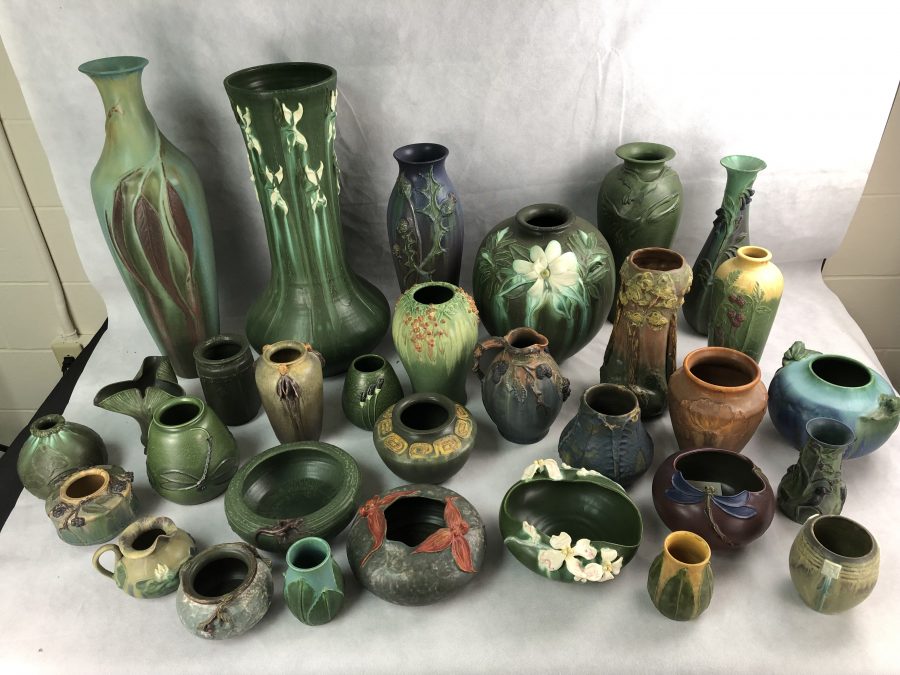
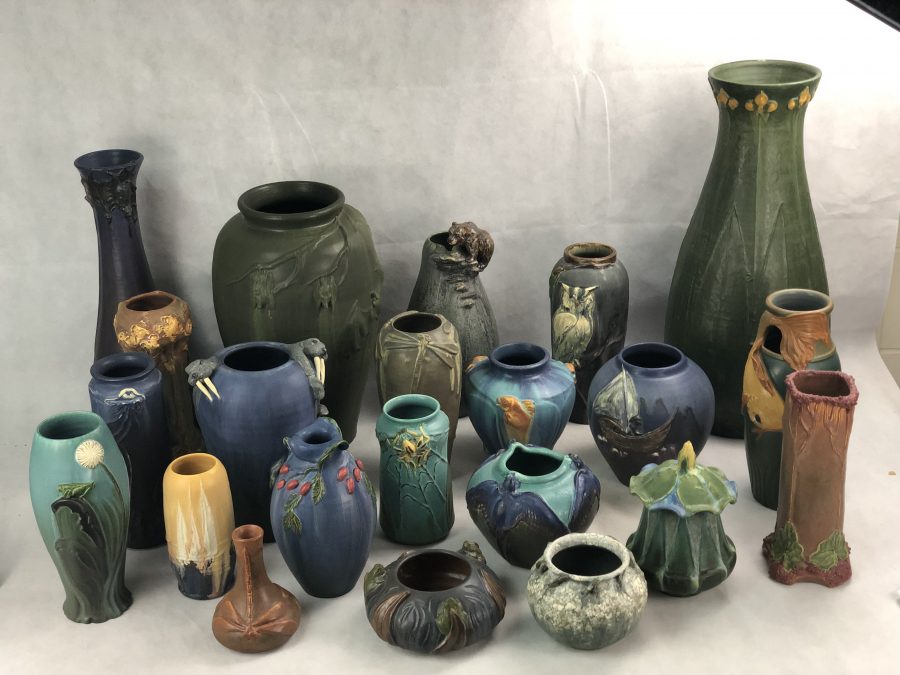
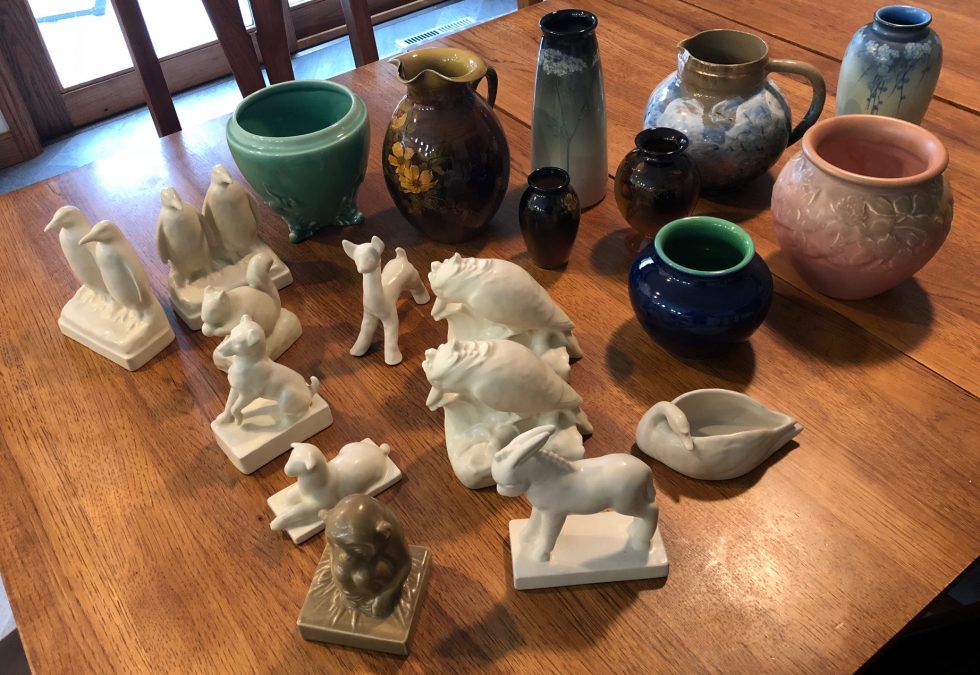
Located in Marin County, California, Arequipa Pottery has a very interesting history. In what began as a tuberculosis sanatorium in the early 1900s for wage-earning women diagnosed with TB was soon renowned for its unique approach in combining health care with pottery making. This approach served many purposes, including as a solution for paying the medical costs of treating the patients. More importantly, it was believed the therapeutic benefits were remarkable. What’s most interesting is that it was in business for just a few short years – between 1911 and 1918.

For whatever reasons, the massive San Francisco earthquake in 1906 affected women more than men when it came to breathing difficulties and other health-related problems, which is why the sanatorium was initially opened. And, too, because of the limitations in the medical field during that time, the only cure that was known amounted to little more than rest and relaxation. As we know, though, pottery making as its own way of keeping fine dust particles in the air, which likely and unknowingly exacerbated the tuberculosis. Still, the results of their creativity lives on in the pieces that are still available.

The vast majority of the clay used during this time was locally dug by younger boys who had the strength to handle the tasks. The patients/artists would spend a few hours a day (or less – depending on how they felt on any given day) working on their pottery. They were led in their efforts by the likes of Albert Solon, Fred Wilde and a few other respected ceramists of the day. That said, the creative efforts were 100% original to the patient; the ceramists were there strictly in a mentoring role.

Another interesting note was the introduction during this time of slip trailing, which is careful carving of leaves, vines and other decorative patterns into the damp clay.

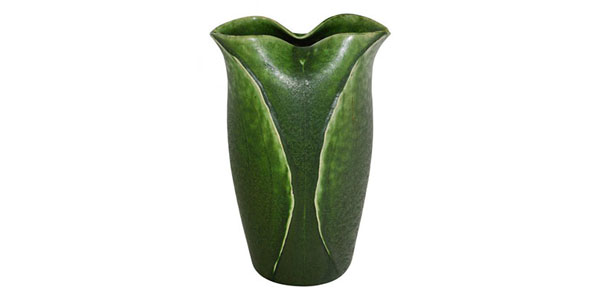
As it happens, Just Art Pottery has one of these lovely creations on our New Arrivals page. The rare Arequipa Pottery vase stands 5 3/4″ tall and has an elegant matte greenish-blue finish. It’s in mint condition with no chips or cracks. It’s really indicative to both the attention to detail in its slight curves and lines.

This really is a fine way to collect American art pottery, especially considering the rich history behind it.

StumbleUponShare

Rookwood Pottery Aerial Blue

Produced for just one year, between 1894 and 1895, the Aerial Blue pattern has a beautiful translucent gloss with grayish-blue hues throughout. What’s so surprising about these patterns is often, the blue that comes through isn’t a result of the painting, but rather, the blue found naturally in the clay. Of course, it’s accentuated, but rarely is a pottery piece created with its natural elements as part of the design process. It’s truly a remarkable collection and even more surprising is it was discontinued after just three months. While there aren’t any definitive dates, it’s believed production began in November or December and by January or February of 1895, it had been discontinued.

It’s important to keep in mind that there was a lot going on with Rookwood Pottery during this time. It had already been considering, and indeed experimenting, with the Cameo ware with the goal of creating lighter design colors to pair with those thick, glossy and translucent glazes. In the middle of all this, the facilities – the entire company – relocated to a better area. So, between the ongoing new product development and the physical move, it could have been the Aerial Blue line got lost in the process.

Other factors included the introduction of the Sea Green Iris glaze lines, simultaneously offered with the Aerial Blue. Also, because the Aerial Blue was at least partially inspired by another company’s line, Royal Copenhagen, the two could have been in an informal competition with the competitor’s offering winning customer loyalty. Either way, this simply wasn’t a popular line. Perhaps it was just ahead of its time because it’s one of the most sought after Rookwood Pottery glazes today.

If you’re looking for markings, you should know most of the pieces include those exclusive to Joseph Bailey, the company’s long time ceramics engineer. They’re described as “an impressed number – usually three digits – bracketed by incised crescent moons, found usually on the bottom of these pieces”.

If you’re a Rookwood Pottery fan, this is truly one line that is indicative of what the company was always about: beauty, elegance and attention to detail.

StumbleUponShare

Roseville Pottery Orian

The middle period line that’s all about vivid colors and a rich gloss glaze is Roseville’s Orian; curiously, it’s also one that’s often overlooked. Considered art deco, this contemporary collection offers those vibrant colors this time period is known for and certainly presents the willingness to take a risk that Roseville Pottery was known to do.

In the mid-1930s, during the height of its popularity, it was referred to as a “solid color line that is a real achievement in ceramic art…inspired directly or indirectly by the Chinese vases of the Ming period”. It was also noted for the unique contours and glaze combinations. It’s interesting, too, that while trying to grasp the right adjectives for this post, I ran across an apt description related to the designs: “shapes are lovely but in no way extreme”. That’s true, too – they’re unique and and certainly creative, but we’re not talking on the level, of say, the aggressive designs George Ohr was known for. The result is a fun presentation of narrow handles, wider vases and pedestal bases – lots of pedestal bases.

It’s believed there were sixteen shapes with this Roseville pattern – and they’re all beautiful choices. If you run across them, and if you’re an art deco fan, odds are, it’s going to be difficult to pass up. There are several vases in a wide range of heights, widths and glaze colors, along with bowls, candlesticks, wall pockets and even a lovely rose bowl.

You’ll recognize the Roseville Orian. Look for the glossy finish, smart color combinations (one favorite is the yellow and green that really makes the vases stand out). Also, those narrow and usually low resting dual handles are generally a giveaway along with the classic “pedestal base”. While there are several tan pieces, they’re not likely to sell for as much as their more colorful counterparts. Also, note that in the bowls, the interior of the actual bowl is usually white, which is a nice contrast with the reds, greens and yellows on the outside of the pieces.

StumbleUponShare

Roseville Pottery Florals: Roseville Sunflower, Water Lily

There are countless patterns, glazes, shapes and color combinations that define the Roseville Pottery as a whole. One of those themes is the creativity and elegance found in those lines of florals. Some are definitive, such as the Roseville Sunflower or Apple Blossom collections and others are a little less obvious, such as those sometimes found in Roseville Crystal Green, which, incidentally, remains difficult to find.

We thought we’d explore two of the more recognized Roseville Pottery lines: the Roseville Water Lily and Roseville Sunflower. There are a few similar features, but for the most part, each is quite distinctive in its own way. For instance, the Roseville Sunflower patter is considered middle period collection, as it was introduced 1930. The Water Lily pattern was unveiled in 1943.

Roseville Sunflower

Easily distinguished by the golds in the sunflowers and often with a green foundation, the Roseville Sunflower pattern is really quite sought after – from the time it was introduced until modern day, it’s often which serves as a striking complement to those vivid oranges and gold in the raised sunflowers.

It enjoyed a surge of popularity in the 1990s, and as a result, its value increased, too. If you’re looking for markings, because paper labels were sometimes used, it might be you come across a Roseville bowl or vase with no marking. There were some that had hand written shape numbers, which can help with identification. Many of the pieces had dual handles, which certainly adds to the overall presentation. A few of the examples of Sunflower pottery include umbrella stands, wall pockets, and of course, bowls and vases.

Roseville Water Lily

As mentioned, Water Lily is one of the newer lines and was introduced in 1943. Its standard colors are brown, blue, and pink, which blend in a beautiful manner. Like Roseville Sunflower, the Water Lilly also has several vases with two handles. Part of the draw to this particular pattern are the unique textures. The florals are raised and the smooth matte finish works to really accentuate the design elements. This Roseville Pottery pattern includes vases, bowls, bookends, ewers, jardinières and others.

StumbleUponShare

Cabat Ceramics

Born in 1914 in New York City, Rose Cabat knew early on where her place was, at least in terms of who she was destined to be with. Shortly after marrying the “boy next door”, whom she dated all through high school, Cabat made the decision to to see what kind of, if any, magic she could bring to the American art pottery scene. The avenue she chose was ceramics, mostly because her husband Erni brought home clay one day with the goal of making a few dinner plates. Sensing her interest, he soon bought his wife a membership to Greenwich House. It was here that both her talent and passion soared.

Times were difficult, but Erni found an interesting way to create a potter’s wheel for his wife: he repurposed a washing machine. When they weren’t working in a munitions plant during World War II, the couple were busy with developing Rose’s talent.

She soon found her “niche” and what emerged was her trademark “feelie” vases. It truly set the pace for mid-century ceramic offerings. The one common denominator amongst those who know work and attempt to explain it is that it was incredibly personal for her. It was more than a talent or passion, it was, in many ways an extension of who she is as an artist.

The gorgeous oversized vases are the epitome of the emerging styles from the forties, fifties and sixties. It’s the bold, though matted color combinations such as green and blue or orange and brown. The dramatic center expansions and the way they contrast with the very narrow vase necks – so narrow, you might be able to easy a single flower into it; and her trademark trimmed foot rings all come together to define these gorgeous and dramatic vases. She also created bowls, though it was those “onion” vases she is best known for.

Her husband was then, and always remained, her biggest fan until his death. Rose, now older than 95, is the oldest practicing pottery artist in the United States.

StumbleUponShare

Fulper Pottery: Backstory

Even though Fulper Pottery was incorporated in 1899, it had roots that went as far back as 1814, albeit under a different name. The Flemington, New Jersey company was first the brainchild of Samuel Hill. He too called New Jersey home and was a well respected producer of crocks, jars and drain pipes. Hill passed away in 1858 and before long, Abram Fulper decided to begin purchasing as many of Hill Pottery pieces that he could get his hands on.

Fast forward to 1899 when the company was incorporated. William Hill Fulper II, Abram’s grandson, transitioned into the role of secretary and treasurer of the company. His Princeton University education served him well, especially as the company continued to grow. It wasn’t until 1909 that the now-Fulper Pottery Company released its first line, known as Vasecraft. It was more of a minimalist line; quite casual, yet lovely.

Within a year of Vasecraft’s release, another prominent employee, Martin Stangl, found himself in the role of ceramics engineer and soon was developing many of the glazes Fulper Pottery is so well known for. Another prominent name associated with this art pottery company is John Kunsman. He too preferred the simple glaze colors. His work found its way to the Louisiana Purchase Exposition where it earned an honorable mention. There were approximately 100 glazes used during the course of the company’s production. It wasn’t until 1929 that Stangl bought out the Fulper family, and unfortunately, he opted to compromise both quantity and quality. Within five years, the company was producing most dinnerware.

What we’re left with is some of the most striking art pottery to be found anywhere. If you’re already a collector, you know the glazes are often what sets this line apart from all others and if you’re new to the Fulper Pottery collections, you’re in for a treat as you explore those many glaze lines.

Be sure to explore the Just Art Pottery Fulper Pottery page. We have several pieces available, including the Fishing Man Statue, which is a favorite among collectors.

StumbleUponShare

The 2012 American Art Pottery Convention

This is the time of the year that art pottery lovers come together. The 2012 American Art Pottery Convention is gearing up and will be in Cleveland Ohio later this month. We have the schedule of events for what’s sure to be a great time.

The dates for this year’s convention are April 19 through April 22.

A Note About the Hotel

The host hotel this year is Holiday Inn Cleveland South – Independence. It’s recently underwent a major renovation and now offers 364 stunning guestrooms and is one of the largest in the area. It’s located just 15 minutes from the Cleveland Hopkins International Airport. It’s not too late to make your reservations, either. You can do so by visiting the website at hiindependence.com or by calling 216-524-8050

Schedule of Events

On Thursday, April 19th, from 8 a.m. until 5 p.m., there’s a tour of the Museum of Ceramics and Homer Laughlin Fiesta and China. If you’ve never visited the museum, it’s an absolute must. Even those who have spent a considerable amount of time in the art pottery family know the value of this tour. It’s sure to inspire.

The registration tables will also be open at 9 a.m.

At 6:30 p.m., a welcome reception and cocktail party is being hosted. (Note there will be a cash bar available). There’ll be prize drawings and giveaways and of course, plenty of networking opportunities.

On Friday, there’s plenty to do. There will be two seminars, with the first one beginning at 9 a.m. Understanding and Collecting Pillin Pottery by Jerry Kline runs until 10:15 and then, at 10:30, you can attend The Many Phases of Van Briggle. This seminar is hosted by Kathy Honea. It runs from 10:30 am. until 11:45 a.m.

The preview for the art pottery auction runs for two hours beginning at 2:30. There will also be a book signing and a “Meet the Authors” event between 3 p.m. and 4 p.m.

The art pottery auction begins at 4:30 and your auctioneer is Peter Gehres.

Saturday provides one more seminar, Richard D. Mohr’s “Tiles I’ve Known and Loved”, which is slated for 9:15 a.m. and expected to run until 10:45 a.m.

For registered members of the convention, you’re afforded the opportunity to preview the AAPA Show and Sale beginning at 11 a.m. This runs until noon, at which time, the public is allowed to preview the sale.

On Sunday, the annual business meeting begins at 9:30 and runs until approximately 10:45. At 11 a.m., the AAPA Art Pottery Show and Sale runs until approximately 4 p.m.

If you have any questions regarding the convention, you can visit the American Art Pottery Association’s convention page at http://www.aapa.info/Convention/Convention2012/tabid/70/Default.aspx

StumbleUponShare

Cowan Pottery

Cowan Pottery was in business for a brief period of time; specifically, between 1912 and 1931. That’s not to say, however, that this Ohio art pottery company didn’t leave a lasting impression – it most certainly did.

Founded by R. Guy Cowan, an Ohio native, Cowan Pottery began as a tiny studio with only a few kilns and with Cowan serving as the owner, artist, designer, bookkeeper and so on. Despite what was surely an exhausting effort, Cowan produced many art pottery pieces and tile designs. By 1917, Cowan was enjoying the fruits of his hard work with many awards for his art pottery collections.

As was the case with many art pottery companies during this time period, World War I meant a closing of his business so that he could serve in the Chemical Warfare Service. The war ended and Cowan found himself following his passions once again, this time in a new location in Ohio. He upped the equipment, created a studio and before long, he was filling orders for department stores, individuals and other national chains. That was soon followed with commercial pottery efforts. He was able to hire a staff of artists and his output neared 175,000 pieces each year. Some of those Cowan Pottery pieces included bowls, vases, lamps and candlesticks.

Despite his impressive successes, in the late 1920s, Cowan found his business struggling financially. The demand was slowly dropping for pottery, as would-be customers found themselves struggling from a financial aspect, too. Indeed, times were incredibly difficult and by 1930, the writing was on the proverbial wall. The Depression hit fast and hard and Cowan Pottery closed its doors in December, 1931.

The legacy left behind is priceless. The glazes and artistic abilities are nothing short of genius; partly due to Cowan’s familiarity with the chemicals used in the American art pottery sector.

Cowan knew he could never walk away from art pottery and became a well respected judge and trustee for the National Ceramic Exhibitions until his death in 1957.

StumbleUponShare

Just Art Pottery Bargain Bin

Have you checked out the great finds in our Bargain Bin? This is a great opportunity to add to your art pottery collection or if you’re new to this particular art sector, it’s the best place to start. Check out a few of the latest additions to the bin -

Drawn to the more whimsical side of American art pottery? Then the Abingdon Pottery cookie jar is probably just what you’re looking for. This sweet Miss Muffet, who’s resting on her tuffet, dates back to 1949-1950 and is mint condition. The bottom is marked and this cookie jar measures 9 1/2″ tall and 8 1/4″ wide.

The Coors Pottery blue handled vase is a perfect example of how less is sometimes more in art pottery. The blue glaze on this double-handled vase contrasts nicely against the white glaze on the inside of the vase. It’s in excellent condition and measures 6 1/2″ tall and 7 1/4″ wide.

The unique presentation is what sets this Haegar Pottery Marigold Agate Earth Wrap Vase apart. The rich sunflower gold and yellow hues are a powerful base against the contrasting red and brown that present as abstract designs. It’s modern look and one many collectors are drawn to.

Hull Pottery remains one of the most recognized names in the industry. The Hull Pottery bow knot blue wall pocket is just one reason why. This design has a beveled handle, two side pockets and pink flowers with soft green leafing efforts. It’s a little vintage, a little traditional Hull and a lot of style. This is one that can be difficult to locate, so if you’re contemplating adding this to your Hull Pottery collection, now’s the time.

Speaking of vintage, there’s also a Rorstrand 1960s Swedish Titus art deco vase. This vivid vase offers a glossy finish against a rich blue and hues of brown. The lighter base color works well with both the colors and general design. It’s handpainted and is 6 1/4″ tall and at its widest point, measures 6″ wide.

These are just a few of the many gems you’ll find in the Just Art Pottery bargain bin.


StumbleUponShare

Avoid Buying Fake Roseville Pottery

One major reason people avoid collecting American art pottery is because they fear not being able to differentiate between fakes and true Roseville Pottery.

The truth is, some of the fake Roseville pieces have a sense of authenticity that makes it difficult to tell apart from true Roseville Pottery. Aside from getting your collection appraised (which we always strongly encourage), you may never know for sure. Then again, there are those who see the beauty and would still purchase it, even if it were a fake, so that

Collection of Roseville Baneda

they could display it in their home. There’s nothing wrong with that, of course, except you probably paid Roseville Pottery prices for fake Roseville pieces.

For those who find it difficult to tell apart, there are a few tell-tale signs that might clue you in. Keep in mind – this is all very subjective in that what one’s idea of a “dull glaze” might be different than another’s – again, this only reiterates the importance of a professional appraisal.

Take a look at the glaze on your piece; fakes lack a certain depth and without a “clear” look; it can even look dull and flat. Also, the glaze shouldn’t hinder the nuances of clay underneath it.

Take a look at the handles (if applicable). Fake pieces usually have bigger handles in terms of their dimensions. Again, this is subjective, but for those familiar with this line of art pottery, the differences are obvious.

How about the detailing? Authentic Roseville Pottery offers a lot of detail – the vines, florals, etc. The Roseville artists always took pride in their detailing efforts.

There were many Roseville marks through the years; so many that sometimes even collectors question a Roseville marking. There are those with Roseville U.S.A. or wafer marks or ink stamps – the marking often dates your Roseville piece; however, fraudsters will do their best to replicate the markings in order to fool buyers.

So what should you do to keep from being taken? We always tell customers to study their Roseville pieces they know are authentic. Usually, once you know what truly is real, the fakes become easier to identify. It’s also a great way to learn more about the history of this dynamic line of American art pottery.

If you’re looking to have your Roseville Pottery collection (or any other collection) appraised, give us a call. All of our appraisals are done in accordance with the Uniform Standards of Professional Appraisal Practice (USPA). Greg Myroth is a member of the Association of Online Appraisers and abides by the AOA Code of Ethics. For more information, visit our Just Art Pottery appraisal page.

StumbleUponShare